


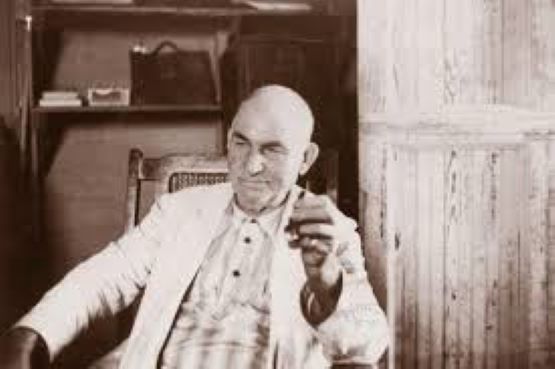
Manuel Castro Argota is a name found in historical family records linked to the Castro family of Cuba. He is not known for public actions or political activity. His relevance comes from genealogy and early family history connected to Ángel Castro y Argiz, the father of Fidel Castro. You will not find public achievements or media records tied to him. His presence exists mainly in birth and family documentation.
Table of Contents
ToggleEarly Life and Birth
Manuel Castro Argota was born in Cuba in the early 20th century, around 1913. His life began in a rural environment where record keeping was limited compared to modern standards. You can understand this period as one where many births and deaths were recorded with minimal detail. His early existence is documented only through family lineage references rather than public records or official biographies.
Ángel Castro and María Argota Reyes
Manuel was the son of Ángel Castro y Argiz and María Argota Reyes. Ángel Castro was a Spanish immigrant who settled in Cuba and worked in agriculture. He built a family in a rural setting before becoming widely known through his later children. María Argota Reyes is recorded as one of Ángel Castro’s early partners.
This family structure reflects the complex and large Castro family tree. You can see how multiple relationships created several branches in the lineage. Manuel belongs to one of the earliest recorded branches of this family history.
The Silent Chapter of the Castro Lineage
The early Castro family history includes several children who are not widely documented. Manuel Castro Argota is part of this silent chapter. You will notice that some names appear in genealogical lists but not in historical narratives. This happens when individuals die young or live outside public or political influence.
In Manuel’s case, there is no record of public life. His name survives because family historians documented early births within the Castro household. This creates gaps in historical storytelling, where only basic facts remain available.
Childhood and Life Details
There is very limited information about Manuel Castro Argota’s childhood. You can assume he lived in rural Cuba during a time when infrastructure and documentation systems were still developing. Daily life in that period often revolved around agriculture and family labor.
No verified records describe his education, activities, or personal development. This absence of detail is common in early 1900s rural records. Many children from that time are known only through birth and death entries without further life documentation.
Death and Historical Records
Historical sources indicate that Manuel Castro Argota died in infancy, around 1914. This explains the lack of detailed biographical information. Infant mortality was higher in early 20th century rural areas, and record keeping often remained minimal.
You will find his name in genealogical references rather than historical accounts of achievements. The documentation confirms existence but does not extend into later life events. This is why his historical footprint remains very small.
Why Manuel Castro Argota Is Mentioned Today
Manuel Castro Argota is mentioned today mainly because of interest in the Castro family genealogy. People studying Fidel Castro’s ancestry often encounter his name in early family records. You may also find his name in databases that track historical family trees.
His mention is not based on personal achievements but on his position in the family structure. Genealogy research often highlights every recorded family member, even those who lived very short lives. This helps researchers build accurate family maps.
Legacy and Historical Relevance
Manuel Castro Argota does not have a public legacy in terms of politics, culture, or social influence. His relevance is strictly genealogical. You can view his place in history as a small but recorded part of the broader Castro family lineage.
His existence helps complete the early structure of the Castro family tree. Historians and researchers use such records to understand family origins, migration patterns, and early life conditions in Cuba. Even minimal records contribute to a clearer historical picture.
Conclusion
Manuel Castro Argota represents a recorded but private part of Cuban family history. His life is known only through basic genealogical information. You can see how some historical figures remain in records without entering public life. His name continues to appear because family history preserves every known connection, even when personal details are limited.