


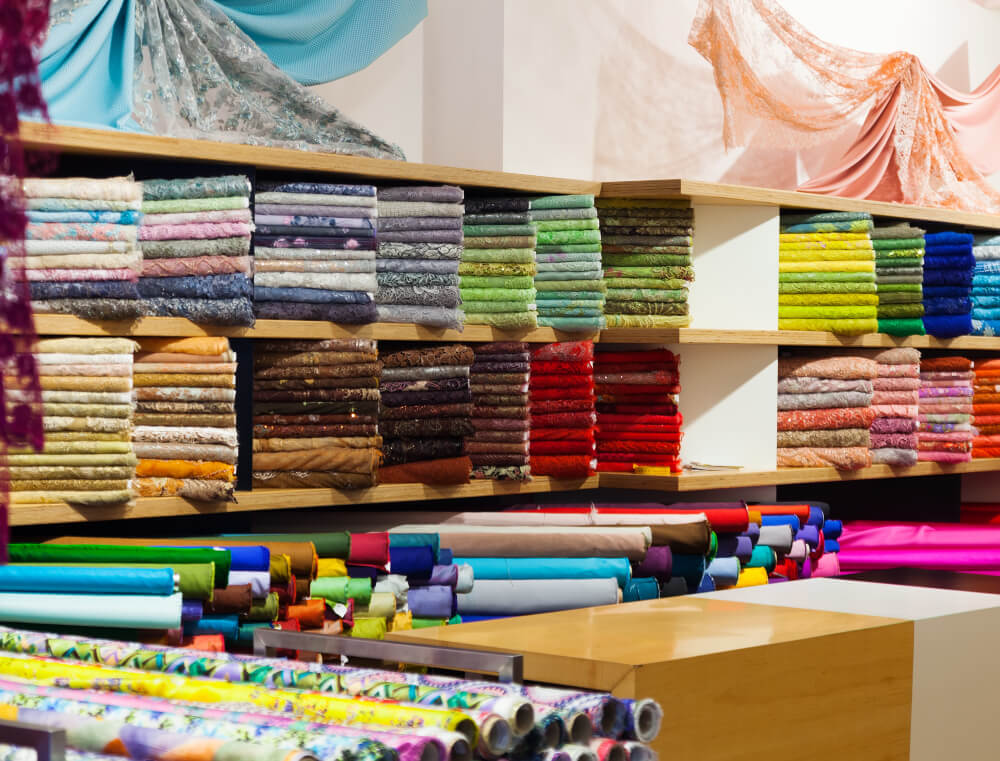
Hancock Fabrics, once a household name for fabric and craft supply enthusiasts, has become a symbol of both nostalgia and loss in the world of retail. For many years, it was the go-to store for those in search of high-quality fabrics, sewing tools, and craft supplies. But today, the question remains: Is Hancock Fabrics still in business? In this article, we’ll explore the rise and fall of Hancock Fabrics, its closure, and what has happened to the brand since then. We’ll also look at the alternatives available to shoppers today who miss this beloved store.
A Little Background About Hancock Fabrics
Founded in 1957 in Tupelo, Mississippi, Hancock Fabrics quickly grew into one of the largest fabric retailers in the United States. Over the years, the chain expanded to hundreds of locations nationwide, offering an extensive variety of fabrics, sewing patterns, quilting supplies, and home décor materials. Hancock Fabrics became the go-to place for sewing enthusiasts, crafters, and those looking for high-quality fabrics for all types of DIY projects. The store was known for its wide selection of materials and its ability to cater to both hobbyists and professional seamstresses. For decades, Hancock Fabrics was a trusted name in the fabric retail industry.
Is Hancock Fabrics Still in Business?
Unfortunately, Hancock Fabrics is no longer in businessThe company filed for bankruptcy and shut down all of its stores in 2016. The bankruptcy filing and subsequent store closures marked the end of an era for the fabric and craft retail world. After more than 50 years of operation, the company struggled with mounting debt, declining sales, and increasing competition from online retailers, which ultimately led to its downfall. While Hancock Fabrics no longer operates as it once did, its impact on the fabric retail industry is still remembered by many.
What Happened to the Hancock Fabrics Brand?
After the closure of its stores, Hancock Fabrics’ brand name and intellectual property were sold off. The name “Hancock Fabrics” no longer represents the original company, as it was acquired by another company. However, the legacy of Hancock Fabrics remains significant, especially among those who remember it as a staple in their crafting and sewing lives. Some independent stores, such as Hancock’s of Paducah, have continued using the Hancock name, but these are entirely separate entities and have no connection to the original company. The brand’s name has been reduced to a memory, with little to no active presence in the market today.
What Led to the Closure of Hancock Fabrics?
The closure of Hancock Fabrics was the result of a combination of factors. Like many traditional brick-and-mortar stores, Hancock Fabrics struggled to compete with the rise of online shopping and the increasing convenience it offered consumers. As more shoppers turned to e-commerce platforms, Hancock Fabrics saw a sharp decline in foot traffic and sales. The store’s reliance on physical locations, combined with rising operational costs, created significant financial strain. In addition, the company faced increased competition from major craft retailers like Michaels and Joann Fabrics, which further eroded its market share. Ultimately, these factors led to Hancock Fabrics filing for Chapter 11 bankruptcy in 2016.
The Bankruptcy Filing and Store Closures
In February 2016, Hancock Fabrics filed for bankruptcy under Chapter 11, which allows companies to reorganize and attempt to recover from financial distress. However, despite efforts to restructure, the company struggled to overcome its mounting debt and declining sales. By April 2016, Hancock Fabrics announced that it would close all of its stores and liquidate its remaining inventory. This marked the end of a major fabric retailer that had once been a dominant force in the industry. The liquidation process saw the sale of Hancock’s assets, including its brand, which was eventually sold off, and all stores were shuttered.
Independent Stores Using the Hancock Name
While Hancock Fabrics may no longer operate, some independent fabric stores continue to use a variation of the Hancock name, though these businesses are not affiliated with the original company. For example, Hancock’s of Paducah, a well-known fabric retailer in Paducah, Kentucky, operates independently under a similar name but is not linked to the defunct Hancock Fabrics chain. These independent stores carry on the tradition of selling high-quality fabrics and serving the quilting community, but they do not carry the same legacy or operate under the same corporate structure as Hancock Fabrics once did.
What Are the Alternatives to Hancock Fabrics Today?
For those who miss the convenience and variety of Hancock Fabrics, there are several alternatives today. National craft and fabric chains like Joann Fabrics, Michaels, and Hobby Lobby have expanded their offerings to fill the gap left by Hancock Fabrics. These stores carry a wide selection of fabrics, sewing supplies, and craft materials, making them popular destinations for DIY enthusiasts. Additionally, online fabric stores such as Fabric.com, Spoonflower, and Mood Fabrics have become go-to sources for those seeking specialized or unique fabrics. With the rise of e-commerce, many shoppers now prefer the convenience of browsing and purchasing fabrics from the comfort of their homes.
Conclusion
In conclusion, Hancock Fabrics is no longer in business, but its legacy in the fabric retail world is not forgotten. The company’s decline was largely due to changing consumer habits, including the shift toward online shopping and increasing competition from larger craft stores. While the original Hancock Fabrics brand no longer exists, independent stores using the Hancock name continue to serve the fabric and quilting community. For those who are still seeking quality fabric and craft supplies, alternative stores like Joann Fabrics, Michaels, and online fabric shops have filled the void left by Hancock’s closure. While Hancock Fabrics may no longer be around, its impact on the industry remains an important chapter in the history of crafting and DIY.
Also Read: