


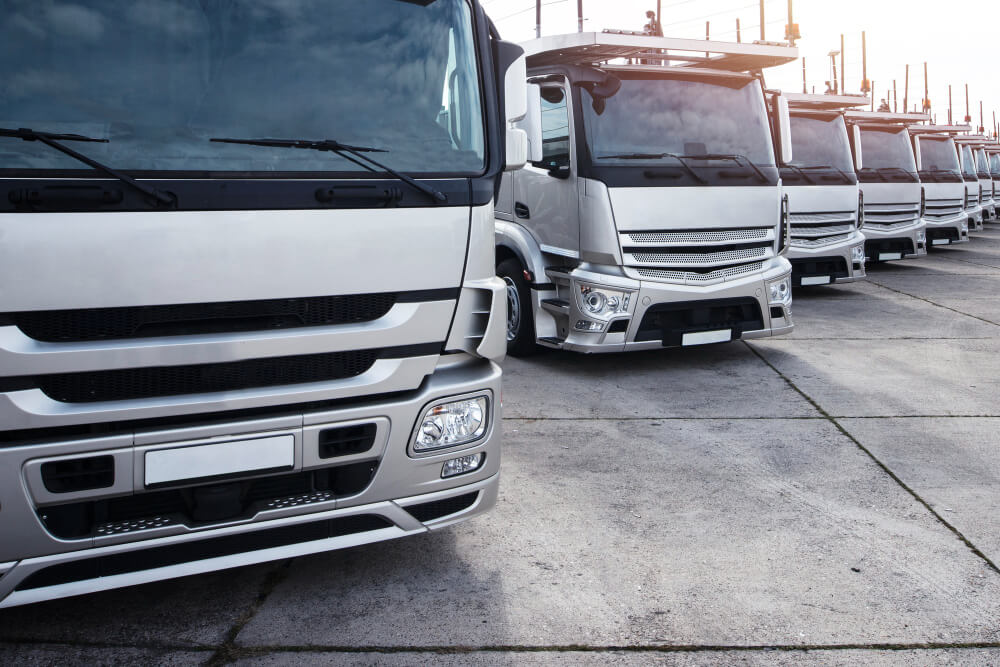
Isuzu Motors Ltd., a globally recognized brand in the automotive industry, has been a symbol of reliable commercial vehicles and innovative technology for decades. Renowned for its trucks, buses, and diesel engines, Isuzu has carved a niche in the world of transport and logistics. But the question remains: is Isuzu still a dominant player in today’s rapidly evolving market? This article explores Isuzu’s rich history, its core business today, its impact on global transport, and how the company is navigating the challenges of innovation, particularly with the rise of electric vehicles.
A Brief History of Isuzu
Founded in 1916, Isuzu is one of the oldest and most respected automobile manufacturers in the world. Initially, the company produced trucks and commercial vehicles under the name “Isuzu Motors” after being established by a merger of Tokyo Ishikawajima Shipbuilding and Engineering Co. and the automobile division of the Nissan Motor Company. Over the years, Isuzu evolved, pioneering the development of diesel engines and producing vehicles that became integral to businesses worldwide.
Throughout the mid-20th century, Isuzu made a name for itself by producing some of the best-performing and most durable commercial vehicles, including its legendary Isuzu trucks, which garnered a reputation for reliability. As the company expanded its footprint globally, it introduced a wide range of vehicles that would become the backbone of industries across the world, solidifying its position as a leader in commercial transport.
Is Isuzu Still in Business?
Despite changes in the automotive industry, Isuzu remains a force to be reckoned with. While the company may not receive the same attention as some of its competitors in the passenger vehicle market, Isuzu continues to thrive, particularly in the commercial vehicle and diesel engine sectors. The brand has established strong partnerships with companies in markets across the world, including in Asia, Africa, Europe, and the Americas.
Isuzu’s success can be attributed to its commitment to innovation and a long-standing reputation for manufacturing durable, fuel-efficient, and high-performance vehicles. In fact, Isuzu has maintained a strong market presence, consistently ranking among the top commercial vehicle manufacturers globally. With its dedication to research and development, Isuzu has adapted to meet the evolving needs of the industry, ensuring that it remains a relevant player in the competitive landscape.
Isuzu’s Core Business Today: Innovation in Motion
Today, Isuzu’s core business revolves around the manufacturing of commercial vehicles, with a special emphasis on trucks, buses, and diesel engines. But the company’s commitment to innovation remains at the heart of its operations. Isuzu has made significant strides in enhancing the technology behind its vehicles, particularly through the development of fuel-efficient engines and advancements in automation and connectivity.
Isuzu’s focus on innovation is reflected in its consistent investment in research and development. For example, the company has made progress in improving the performance and efficiency of its diesel engines, ensuring that they meet the increasingly strict emission standards worldwide. Additionally, Isuzu is exploring electric vehicle (EV) technology and hybrid solutions, expanding its portfolio to cater to the growing demand for eco-friendly transport options.
Isuzu’s Impact on Global Transport: A Quiet Giant
While Isuzu may not have the same level of global recognition as other automotive giants, its impact on the world of transportation is undeniable. Isuzu’s vehicles are an integral part of industries ranging from logistics and construction to agriculture and passenger transport. The company’s trucks and buses are widely regarded for their robustness, efficiency, and longevity, making them essential tools for businesses operating in various sectors.
Isuzu’s presence in key markets such as Japan, Southeast Asia, and Africa demonstrates the company’s role as a “quiet giant” in the global transport ecosystem. Through its reliable commercial vehicles, Isuzu has played a vital role in shaping the infrastructure and economy of numerous countries. By providing affordable and dependable transportation solutions, Isuzu has helped businesses grow, contributing to the overall development of global economies.
Engineering Excellence: Isuzu’s Technological Edge
Isuzu’s reputation for engineering excellence is built on its ability to consistently deliver vehicles that are both reliable and technologically advanced. The company’s focus on diesel engine technology is particularly notable, with Isuzu having developed some of the most fuel-efficient and durable diesel engines in the market.
Isuzu’s commitment to cutting-edge engineering is evident in its range of commercial vehicles, which feature advanced safety features, fuel-efficient engines, and high-performance capabilities. The company has also made strides in autonomous driving technology, collaborating with other automotive players to develop smart vehicles that can navigate complex environments. Through its commitment to technological excellence, Isuzu continues to lead the way in shaping the future of commercial transport.
Navigating Challenges: Can Isuzu Adapt to the Electric Revolution?
As the automotive industry faces the rise of electric vehicles (EVs), Isuzu is confronted with the challenge of adapting to a changing market. The increasing demand for greener, more sustainable transportation options has pushed many companies to develop electric and hybrid vehicles, and Isuzu is no exception.
While the company is traditionally known for its diesel engines, Isuzu has begun to invest in electric mobility, with plans to introduce electric commercial vehicles into its lineup. Isuzu’s strategy involves a gradual transition to electric vehicles, ensuring that it remains relevant in the changing market while also staying true to its heritage of producing reliable, high-performance vehicles. However, the question remains: will Isuzu be able to successfully navigate the electric revolution and maintain its position as a leader in the commercial vehicle market?
Isuzu’s Global Strategy: Dominating in Key Markets
Isuzu’s global strategy has been a key driver of its success. The company has focused on strengthening its presence in key markets around the world, particularly in Asia, where demand for commercial vehicles remains high. By establishing manufacturing plants and partnerships with local companies, Isuzu has been able to offer tailored solutions that meet the specific needs of each region.
In addition to its strong presence in Asia, Isuzu has expanded into other markets, including North America, Africa, and Europe. The company has strategically aligned its operations with the needs of these markets, ensuring that its vehicles are well-suited for local conditions and regulations. By focusing on key regions and providing high-quality, reliable vehicles, Isuzu has been able to secure a competitive advantage in the global transport industry.
The Road Ahead: Will Isuzu’s Future Be as Strong as Its Past?
Looking ahead, Isuzu faces a crucial question: can it maintain the same level of success it has enjoyed in the past? The company is navigating an increasingly competitive landscape, with growing demand for electric vehicles and evolving consumer preferences. However, Isuzu’s commitment to innovation, its strong engineering legacy, and its focus on sustainability position the company well for future success.
As Isuzu embraces new technologies and adapts to the changing market, it will need to balance its long-standing strengths in diesel engines with the growing shift toward electric mobility. The road ahead for Isuzu will undoubtedly be shaped by its ability to innovate and remain agile in the face of change. If the company can successfully navigate these challenges, its future in the commercial vehicle market may very well be as strong as its past.
Conclusion
Isuzu’s journey from a small automobile manufacturer to a global leader in commercial vehicles is a testament to its commitment to quality, innovation, and customer satisfaction. While the company faces challenges in an evolving market, its legacy of engineering excellence and global strategy positions it well for future growth. As Isuzu continues to adapt to the rise of electric vehicles and meet the needs of diverse markets, its impact on global transport remains significant. The road ahead may be filled with uncertainty, but Isuzu’s reputation for reliability and innovation gives it a strong foundation to navigate whatever challenges lie ahead.