


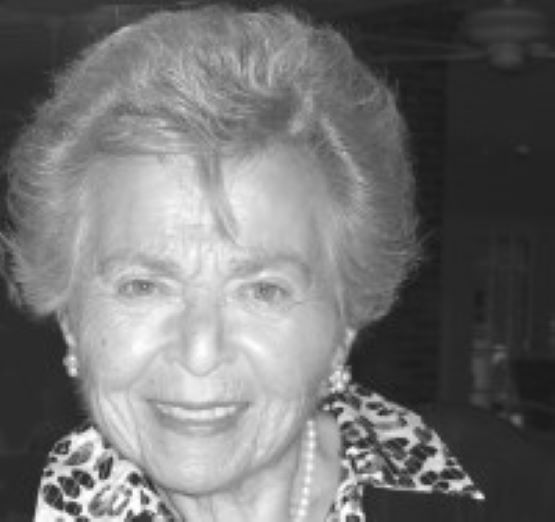
Josephine Lesser is recorded as a woman living in Petite Anse, Iberia, Louisiana. Historical records describe her as a widowed housekeeper. She was born in Louisiana and lived a simple working life. Her identity appears in census style records rather than public achievements. You see her through basic facts about residence, age, and occupation. Her life reflects working class existence in rural America.
You understand Josephine Lesser through limited historical documentation. She did not appear in public or political life. Her record focuses on family status and work role. She represents many women of her time with similar backgrounds. Her life is known through structured records, not personal accounts. The information available stays factual and minimal.
Overview of Josephine Lesser
Josephine Lesser is identified as a resident of Petite Anse in Iberia, Louisiana. She is listed as a widowed woman working as a housekeeper. Her age is recorded as around forty years. Her name appears in local historical or census records. These details define her public identity. No further public achievements are documented.
You see her profile built only from basic record data. She did not hold public office or known public roles. Her life details come from administrative documentation. Her identity stays tied to residence and occupation. She represents a recorded individual rather than a public figure. Her presence is historical but limited.
Early family and upbringing in Iberia
Josephine Lesser was born in Louisiana and raised in the Iberia region. Her early life details are not fully documented in public records. She most likely grew up in a rural setting shaped by local community life. Family structures at the time focused on household work and survival. Her upbringing reflects common patterns of the region. Formal education details are not recorded.
You understand her early life through regional context. Many women in Iberia followed similar life paths. Work and family responsibilities shaped daily routines. Her background stayed outside formal documentation systems. She likely learned skills needed for household management early. Her upbringing reflects a practical rural lifestyle.
Life as a widowed housekeeper
Josephine Lesser is recorded as a widowed housekeeper in official records. This status shows she managed life independently after losing her spouse. Her work centered on household duties and domestic service. She supported herself through practical labor. Her role reflects common employment for women in her time. She lived within a structured social environment.
You see her life shaped by responsibility and survival. Widowhood often changed a woman’s social and economic position. She maintained independence through work. Her role as housekeeper provided stability. She lived within community expectations of the period. Her identity stayed grounded in daily labor.
Occupation and Daily Life
Josephine Lesser worked as a housekeeper, managing domestic responsibilities. Her tasks likely included cleaning, cooking, and household maintenance. She lived a structured routine based on work needs. Her occupation provided basic financial support. She operated within private homes or local households. Her work reflects common female employment of the era.
You understand her daily life as consistent and labor focused. She followed a routine shaped by work demands. Her income depended on service-based tasks. She did not hold specialized or formal employment. Her life revolved around household work. Her occupation defined her economic position.
Family and Social Context
Josephine Lesser lived within a small community in Iberia, Louisiana. Her social life likely connected to neighbors and local families. She is recorded as widowed, which shaped her family structure. Her household situation was likely simple and limited. She did not appear in broader public networks. Her identity stayed local and private.
You see her social context shaped by community ties. Rural Louisiana life depended on close relationships. She likely interacted with nearby households regularly. Her family structure was reduced due to widowhood. She lived within social norms of her environment. Her context stayed grounded in local community life.
Limitations of available information
Information about Josephine Lesser is limited to basic records. There are no detailed biographies or personal writings. Her life is documented only through official entries. Many details about her experiences remain unknown. Historical records focus on status, not personal history. Her full story is not preserved.
You understand her through incomplete historical data. Many individuals from her time lack detailed records. Only basic facts are available for study. Her personal thoughts and experiences are not recorded. The information reflects administrative needs, not biography. Her history remains partial and fragmented.
Legacy and Significance
Josephine Lesser represents working women in rural Louisiana history. Her record shows the role of domestic labor in society. She reflects the lives of many unnamed individuals in history. Her significance lies in representation of everyday life. She is part of genealogical and local historical records. Her presence helps understand social structure of her time.
You see her legacy through historical context, not fame. She stands for ordinary working women of her era. Her life adds value to demographic understanding. She is remembered through records, not achievements. Her significance is historical and social. She represents lived experience of working class women.
Conclusion
Josephine Lesser lived a simple life recorded through basic historical data. She worked as a housekeeper and lived in Louisiana. Her identity is known through residence, age, and marital status. She stayed outside public recognition or major events. Her life reflects ordinary rural existence. Her record remains part of historical documentation.
You understand her as part of everyday history. She represents individuals whose lives were recorded in simple terms. Her story is limited but still meaningful in context. She lived within the structure of her time. Her legacy remains in historical records. Her life reflects the reality of many similar individuals.
Also Read: