


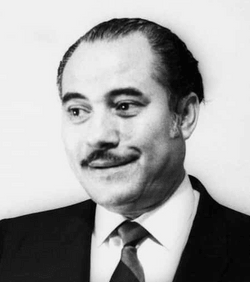
Sigmond Galloway was an American jazz musician and the second husband of gospel singer Mahalia Jackson. You may know Jackson as one of the most influential gospel singers of the twentieth century. Galloway’s life became part of music history because of his connection to her. His story shows how personal choices shape a life lived near public fame. His life also shows the challenges of being linked to a global music star.
Growing Up in Wetumpka, Alabama
Sigmond Galloway was born on May 18, 1922, in Wetumpka, Alabama. This was a time when racial segregation was enforced by law. He grew up in a community shaped by music, faith, and hard work. His parents were Randolph Galloway and Mary Lee Courtney. He had at least two siblings, Emma Brannon and Sylvia Cristene McDonald. Early exposure to music in his community likely influenced his interest in jazz.
Move to Gary, Indiana and Musical Beginnings
As a young adult, Galloway moved to Gary, Indiana. Gary was a busy industrial city with a thriving music scene. It had jazz clubs and community gatherings where musicians performed. Galloway worked in construction while performing music in local venues. You can see how this environment helped him grow as a musician. It gave him chances to practice, perform, and connect with other artists.
Career as a Jazz Musician
Galloway pursued his passion for jazz while in Indiana. Jazz requires rhythm, timing, and the ability to engage audiences. These skills are essential if you want to succeed in this genre. He performed in clubs and smaller venues, focusing on his craft rather than public fame. Records of his songs or albums are limited. Yet his work added to the jazz culture of the era. His career reflects many musicians of his time who balanced art with everyday life.
Marriage to Mahalia Jackson
Galloway met Mahalia Jackson through mutual friends in Gary, Indiana. Jackson was already a celebrated gospel singer by the 1960s. She had recorded hits, sold millions of records, and toured internationally. Their relationship developed as Jackson dealt with loneliness during her busy career. They married in Chicago in 1964. The ceremony was small and private. For Galloway, this marriage brought sudden public attention. He went from private musician to spouse of a global music icon.
Challenges and Divorce
Their marriage faced deep challenges. Jackson struggled with health issues, including heart problems and exhaustion. Galloway was often absent when she needed support. They argued about money and personal affairs. Reports suggest instances of conflict and disagreements over roles in Jackson’s career. Their relationship deteriorated over time. Jackson filed for divorce in 1967. Galloway requested a jury trial, which was rare for a divorce. The judge did not award him any of Jackson’s assets.The couple did not have any children together.This period shows how personal and professional pressures can strain even the most high-profile unions.
Life After the Marriage
After the divorce, Galloway stepped away from the spotlight. Public records offer few details about his life after 1967. He continued some musical activity on his own terms. His performances were quieter and less public than before. His life became private once more. This decision reflects how he chose peace over fame. He did not remarry or seek public roles despite his earlier visibility.
Later Years and Death
Sigmond Galloway died on May 18, 1972, in Gary, Indiana, at age 50. The cause of his death is not widely documented. He passed away shortly after Jackson’s death earlier that same year. Galloway’s later years remained distant from public view. His burial place is at Fern Oaks Cemetery in Griffith, Indiana. His story, though brief in the media, marks a life shaped by music and complex personal choices.
Legacy and Influence in Music
Galloway’s influence remains subtle. He did not become world famous like Jackson. Yet his participation in the jazz community of Gary contributed to the cultural richness of the era. His life shows that influence is not always measured by fame or sales. You can measure impact by the connections you make, the art you create, and the lives you touch through your work. His role in Jackson’s life also offers insight into the personal realities behind public stories.
Frequently Asked Questions
What type of music did Sigmond Galloway perform?
He performed jazz music, a genre rooted in improvisation, rhythm, and emotion.
When and where was Sigmond Galloway born?
He was born on May 18, 1922, in Wetumpka, Alabama.
How did Sigmond Galloway meet Mahalia Jackson?
They met through mutual friends in Gary, Indiana, as Jackson was at a busy point in her career.
What is Sigmond Galloway’s legacy today?
His legacy survives through his jazz work and his connection to Mahalia Jackson. His story highlights the life of a musician outside the glare of fame.
Conclusion
Sigmond Galloway’s life included art, love, conflict, and personal choice. His journey reflects the often unseen side of life near fame. When you study his life, you see how one life can intersect with greatness without being defined by it. His story invites you to think about your own path, your choices, and the impact you want to have on your world.