


Saab cars once stood out on roads around the world for their unique design, safety features, and innovative engineering. At their peak, models like the Saab 900 and Saab 9‑3 weren’t just vehicles — they were symbols of Swedish ingenuity and had a loyal following that still exists today. Over time, however, the company faced a turbulent journey, and many people ask: Is Saab still in business? The answer is not simple. While you won’t see brand-new Saabs being made, the Saab name continues to exist in a different form.
Briefly Introduce Saab Cars
Saab began as an unusual automaker. Founded in Sweden in the 1930s to produce aircraft, the company later branched out into automobiles. This aviation background influenced Saab cars significantly — from aerodynamic shapes to dashboards that felt more like airplane cockpits than car interiors. Over the decades, Saab developed a reputation for safety, innovation, and a distinctive personality that set it apart from mainstream car brands.
Is Saab Cars Still in Business?
Today, the short answer is no. Saab Automobile, the company that produced cars, officially ceased to exist after filing for bankruptcy in 2011. Although different owners tried to revive production, none succeeded in bringing Saab cars back to the market. While the automotive arm disappeared, the Saab name still exists through the parent company, which now operates in a completely different industry.
Origins of Saab — From Skies to Roads
Saab’s roots go back to 1937, when the company was founded to build aircraft for the Swedish Air Force. Its experience in aerodynamics and engineering naturally carried over into car production. Saab’s first passenger car, the Saab 92, debuted in 1949. Its aerodynamic design reflected the company’s aircraft heritage. This background gave Saab a unique identity in the car world, with innovations such as turbocharged engines, safety-focused designs, and wrap-around windshields long before other brands adopted them.
What Happened to Saab Cars
Despite its early success, Saab faced many challenges in the global automotive market. In 2000, the company was acquired by General Motors, which hoped to improve competitiveness by sharing platforms and parts with other GM models. However, this approach diluted Saab’s distinct identity and did not attract the wider market appeal that GM expected. After continued financial struggles and the global economic downturn in 2008, GM sold Saab to a smaller automaker, Spyker Cars, in 2010. By the end of 2011, Saab Automobile filed for bankruptcy, ending the company’s car production. Later, a new company called National Electric Vehicle Sweden (NEVS) purchased Saab’s assets and attempted to produce electric vehicles based on Saab designs, but these efforts never resulted in a sustainable Saab car brand.
The Decline and Bankruptcy
The decline of Saab cars was the result of multiple factors. Declining sales, financial instability, and the challenges of being acquired by larger automotive groups all contributed. The 2008 financial crisis made matters worse, leaving Saab unable to secure the investment necessary to continue production. The bankruptcy in 2011 was the final outcome of years of struggle. NEVS’s later attempts to revive the brand as an electric vehicle manufacturer did not succeed, and no new Saab-branded cars are being made today.
Comparing Saab Cars vs Saab AB
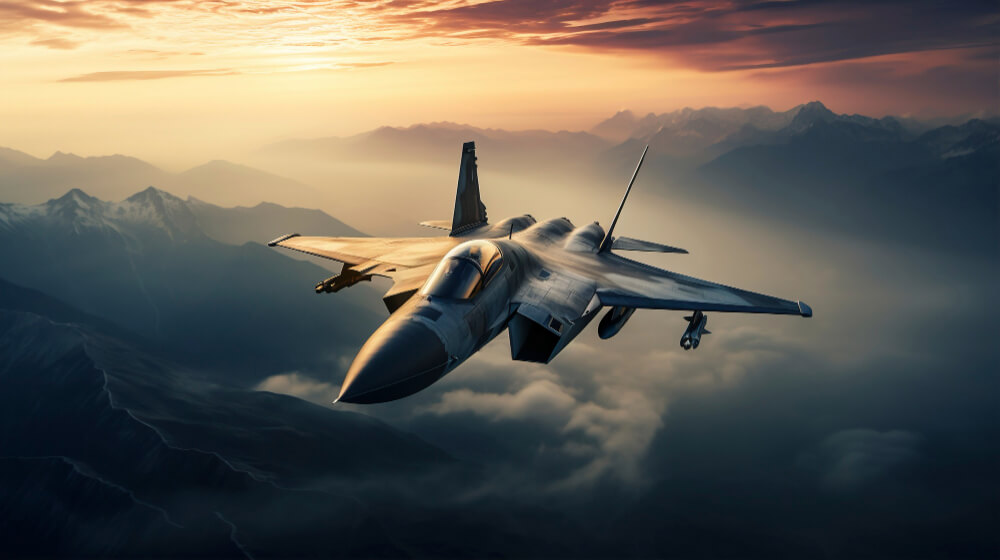
It is important to distinguish between Saab the car company and Saab the parent company. Saab Automobile no longer exists, but Saab AB, the original parent company, continues to operate successfully in aerospace, defense technology, and security. Today, Saab AB focuses on fighter jets, radar systems, and military technology. While the name Saab lives on, it no longer represents car production.
Can Saab Cars Make a Comeback in the Market?
Car enthusiasts often wonder if Saab could make a comeback. While the brand has nostalgia and recognition, there are currently no confirmed plans for new Saab cars. Reviving a car brand requires heavy investment and faces stiff competition, making a true Saab return unlikely in the near future. Nevertheless, Saab enthusiasts keep the spirit alive through car clubs, classic car events, and online communities.
Conclusion
Saab cars may no longer be manufactured, but the legacy of the brand lives on. From its aviation beginnings to its innovative vehicles and eventual decline, Saab represents creativity, engineering, and a distinctive personality. While Saab cars are no longer in business, the name continues through Saab AB’s aerospace and defense operations. For many fans, the cars themselves remain a beloved piece of automotive history, symbolizing innovation and Swedish engineering at its finest.
Also Read: